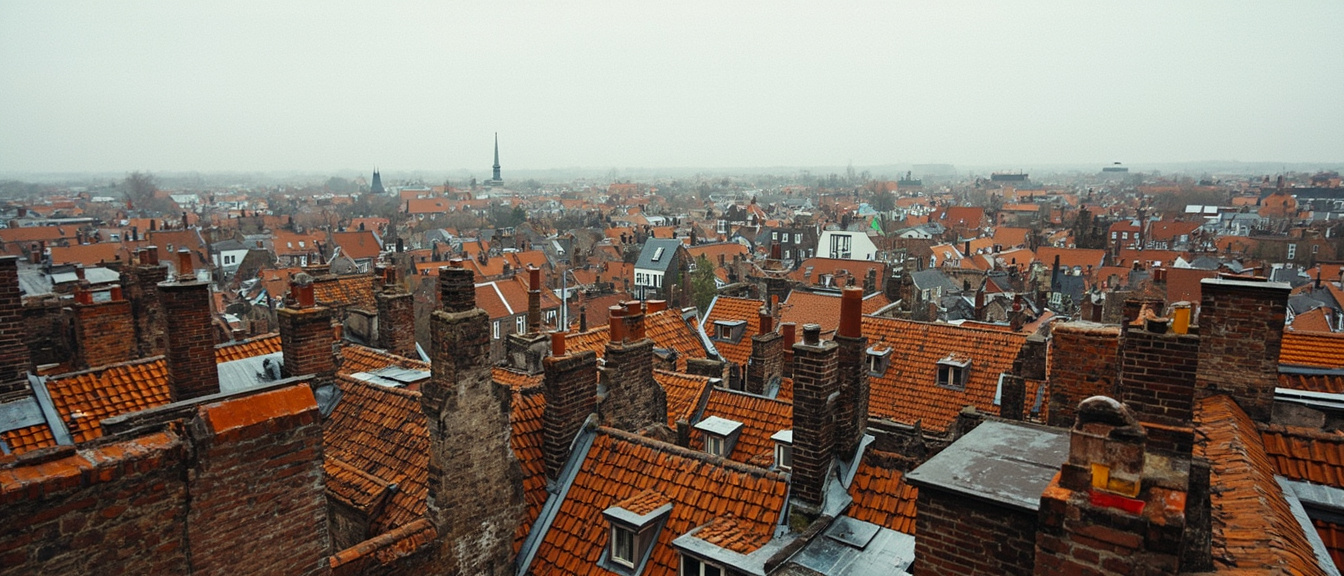
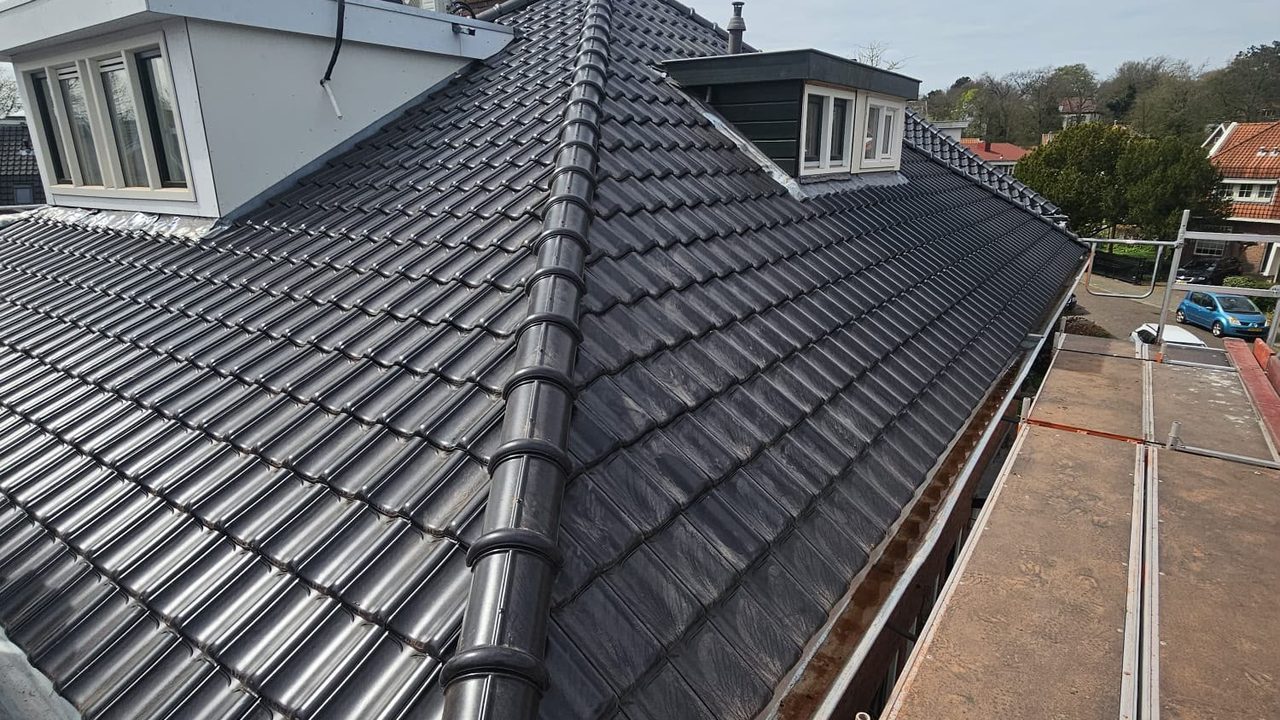
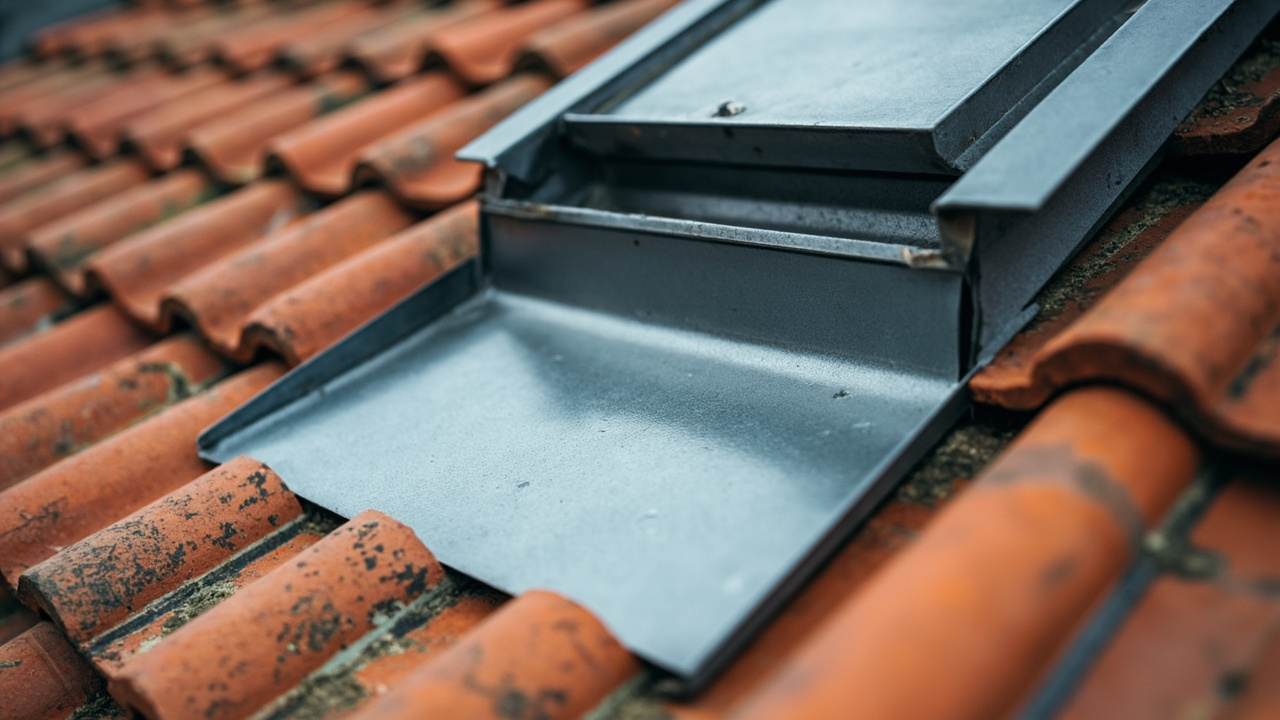
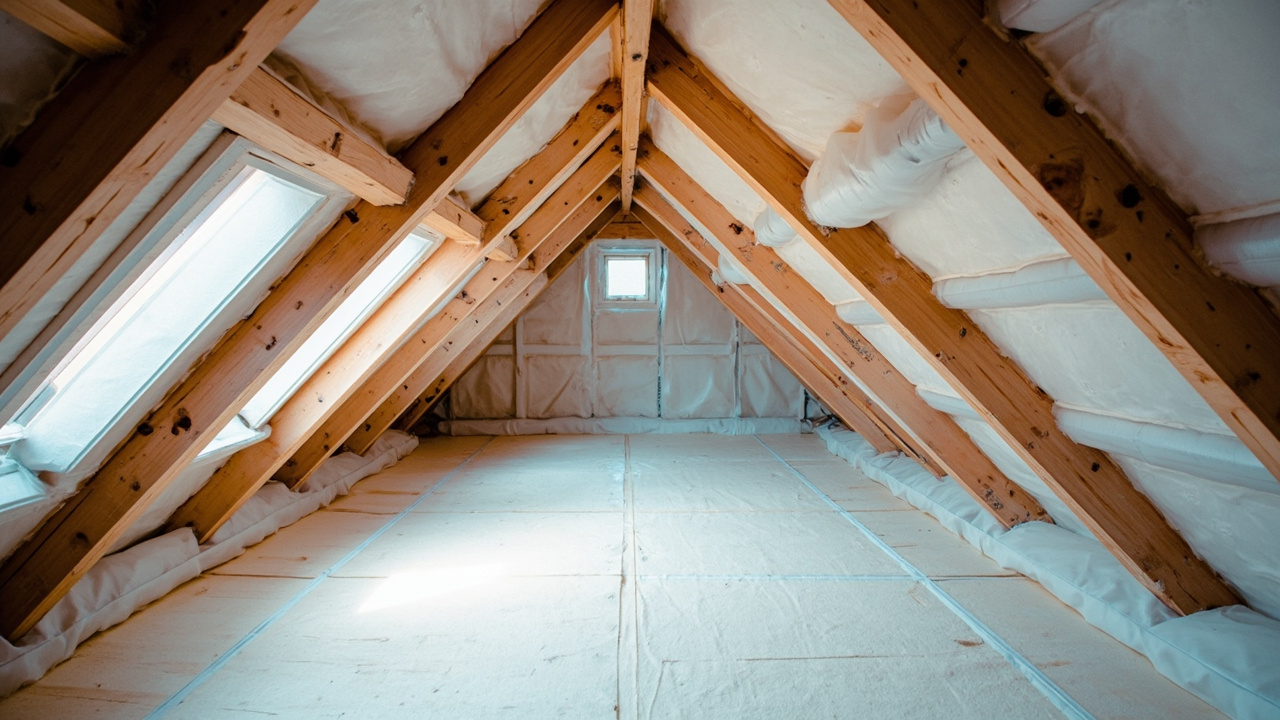
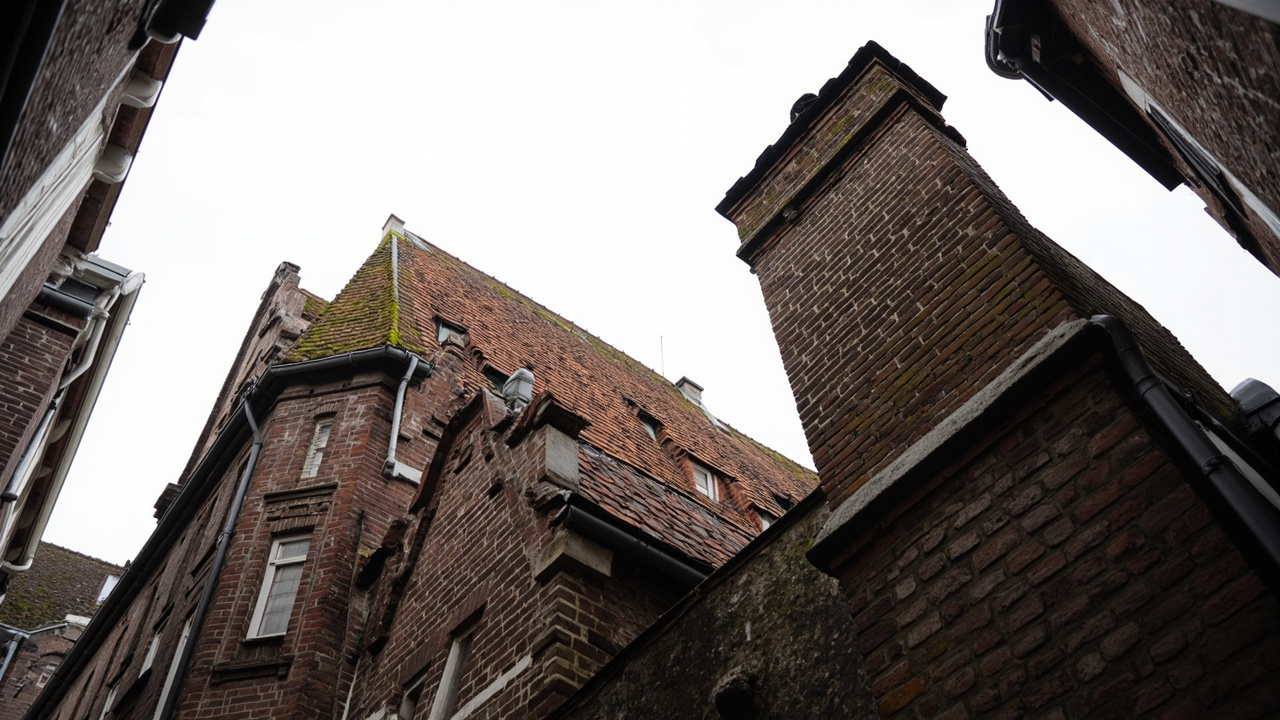
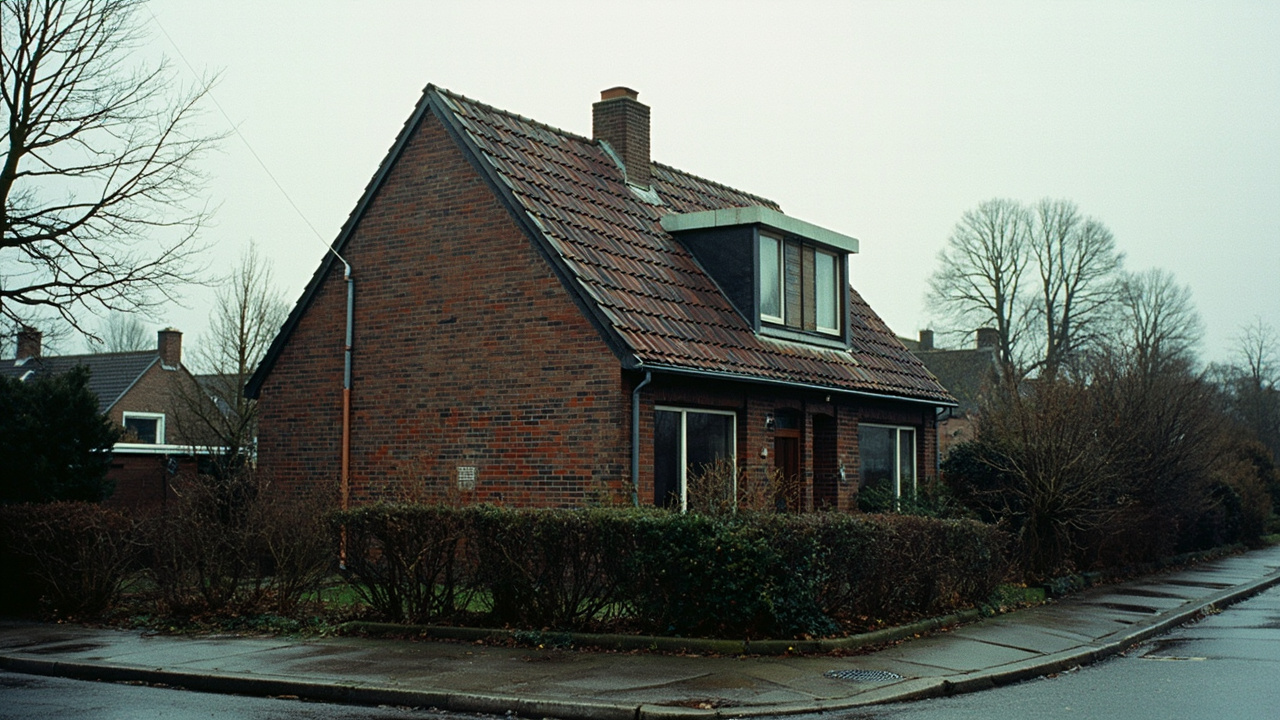
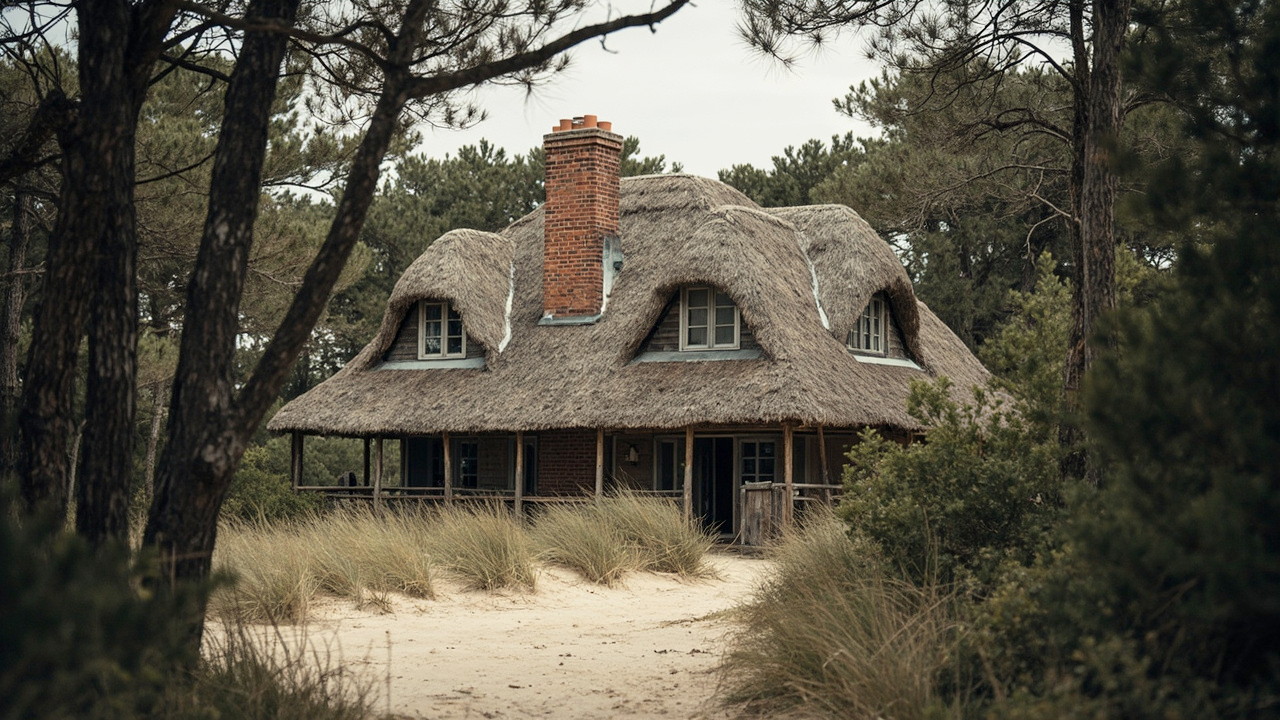
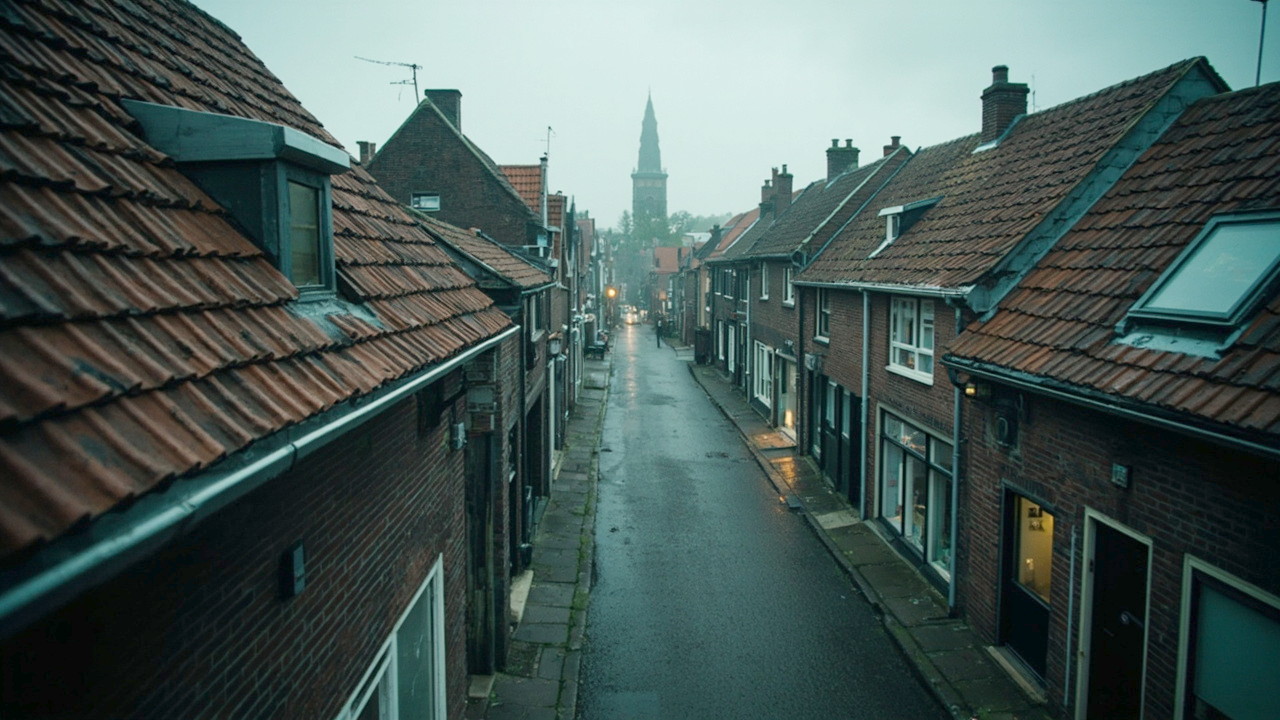
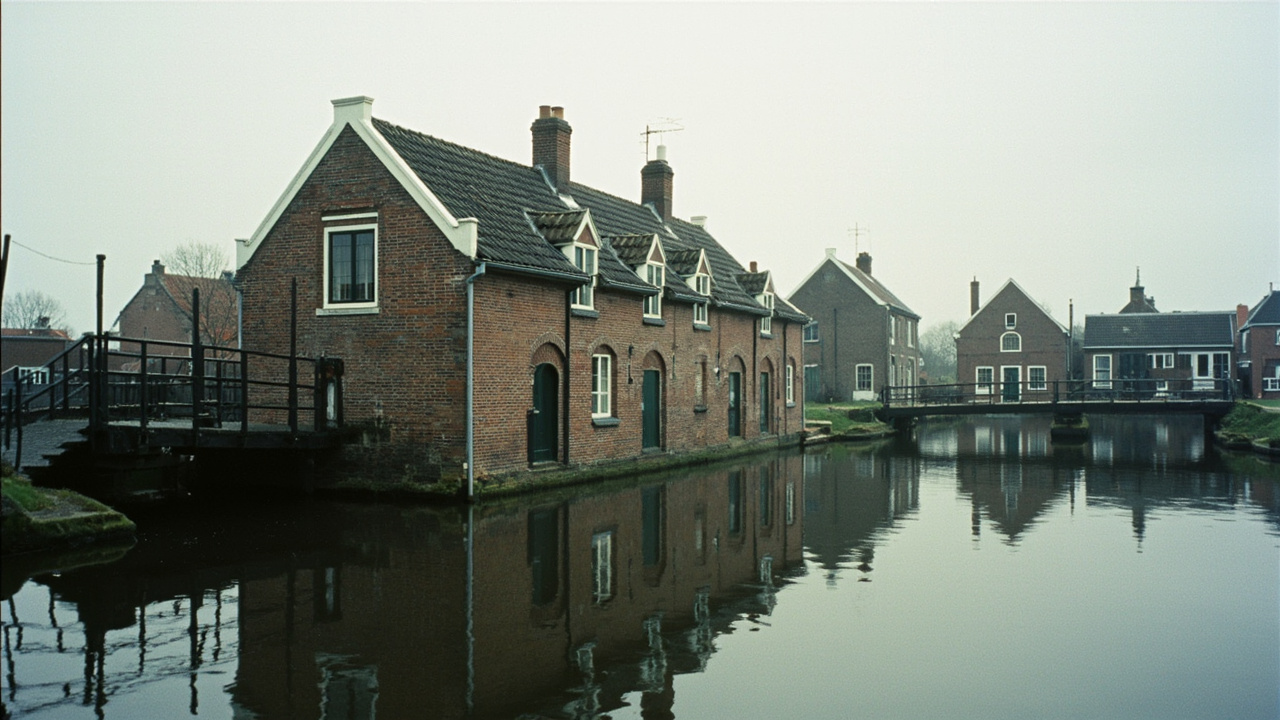
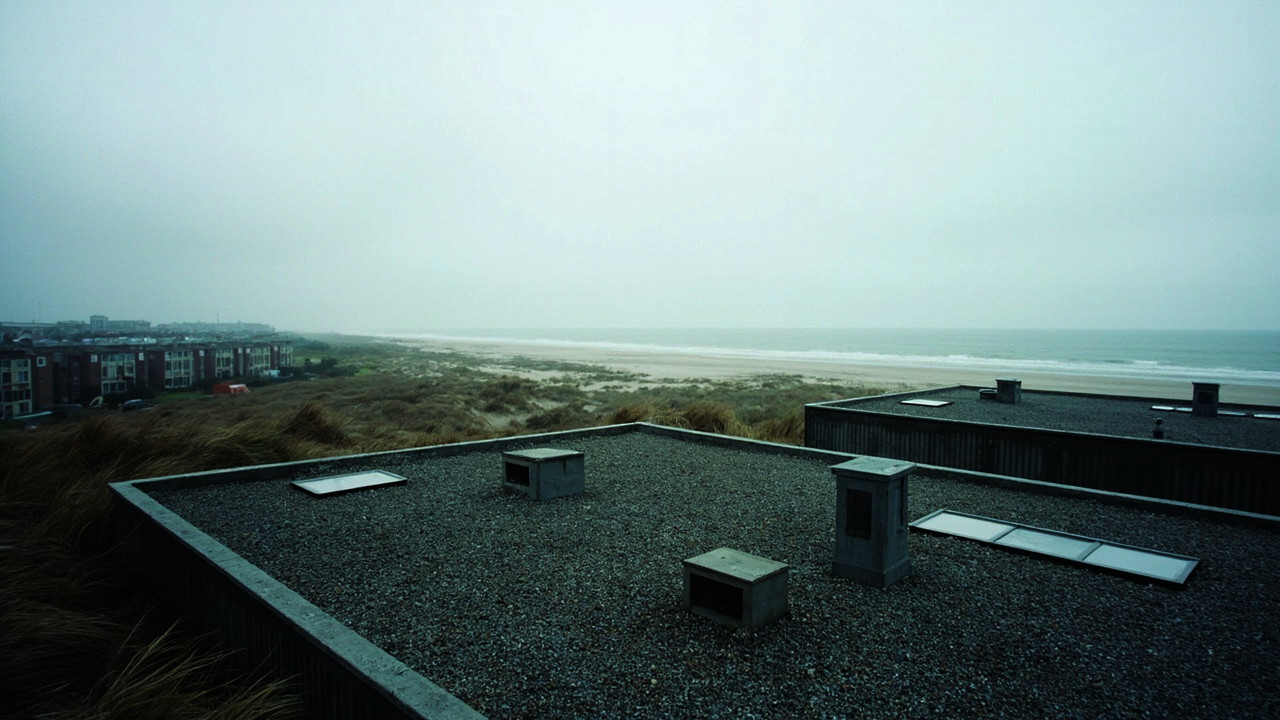
Rooftops of Haarlem with tiled roofs, dormers and zinc gutters

Roof renovation around Haarlem

Three quotes, three opinions. Here is what to weigh them on.

One roofer says bitumen, the second says EPDM, the third wants zinc up there. All three are right, each for a different roof. This page carries the table that shows which one fits yours, and why the amounts sit so far apart.

Price per m2

65to260

From bitumen to natural slate, including labour, disposal and VAT.

Thermal resistance Rc

0.4to6.0

An uninsulated 1960s roof against 160 mm of PIR insulation.

Service life

20to100years

The twenty belongs to bitumen, the hundred to natural slate.

What your roof allows

What your roof allows depends on when it was built

Roughly three kinds of roof exist in this area, and all three ask for something different. Below is what each period allows, what it rules out, and what it gains you.

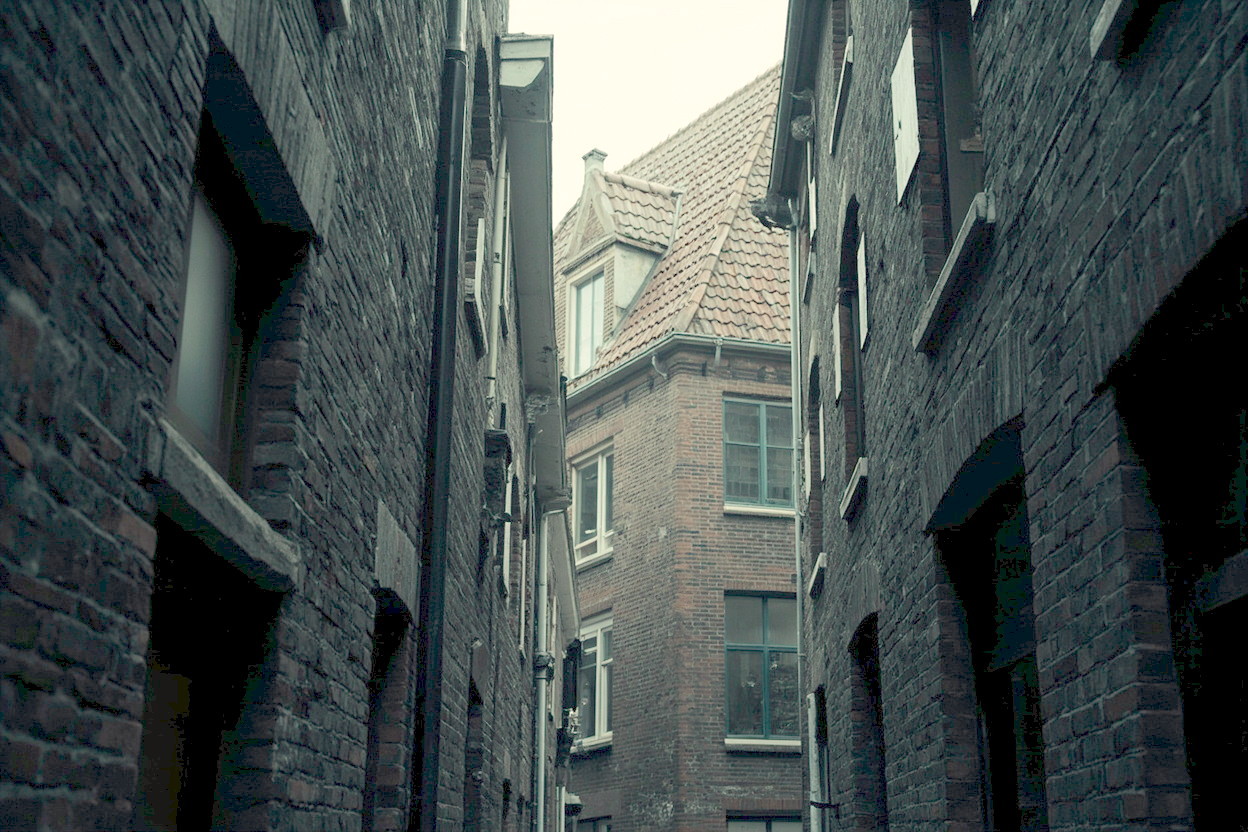
Nineteenth-century roof in the old centre of Haarlem with clay tiles and a zinc box gutter

Before 1900

The Haarlem old centre and the historic core of Spaarndam

What works
Clay pantiles in the original profile, natural slate on a building that already had it, and zinc on secondary parts such as a dormer or a gutter.
What does not
Bitumen or EPDM on a roof plane visible from the street, and an anthracite concrete tile in any form whatsoever.
What it gains you
A roof that lasts fifty years and passes the conservation assessment. Insulation here usually goes in from inside, because in a continuous terrace the roof plane cannot rise.
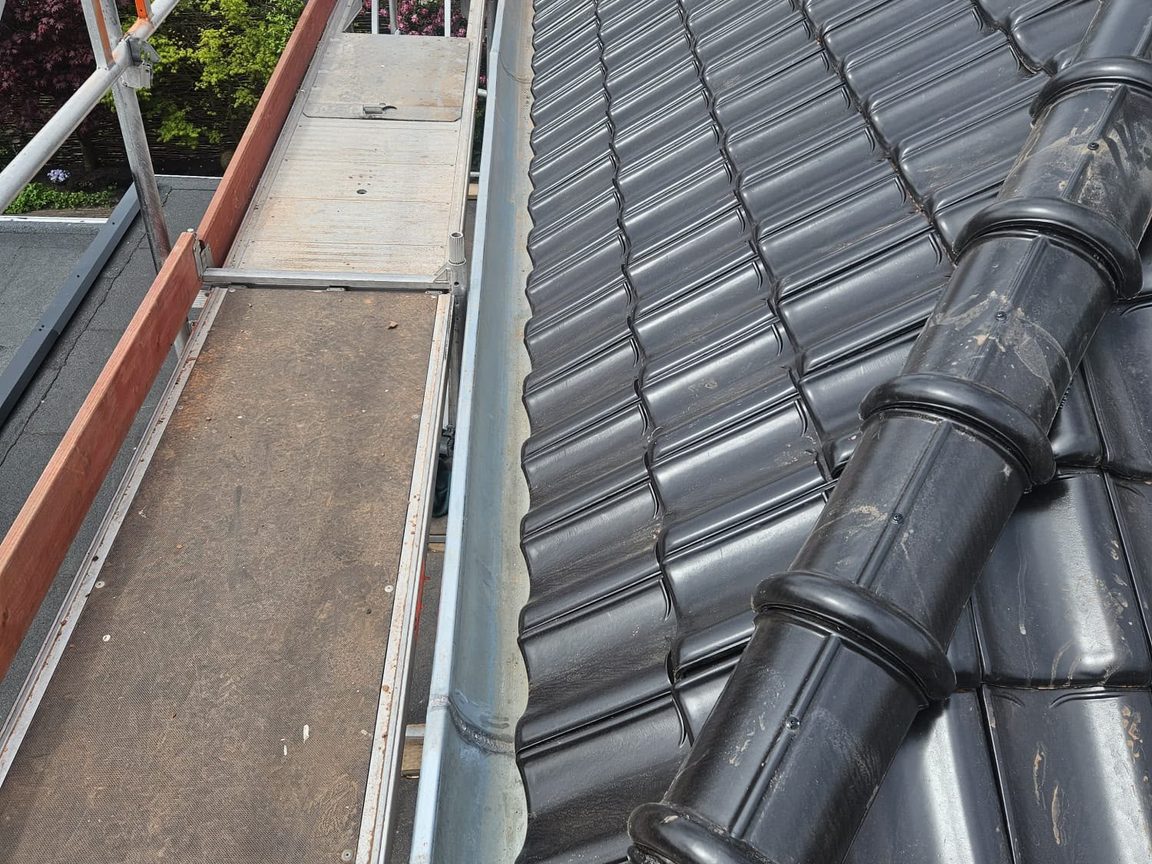
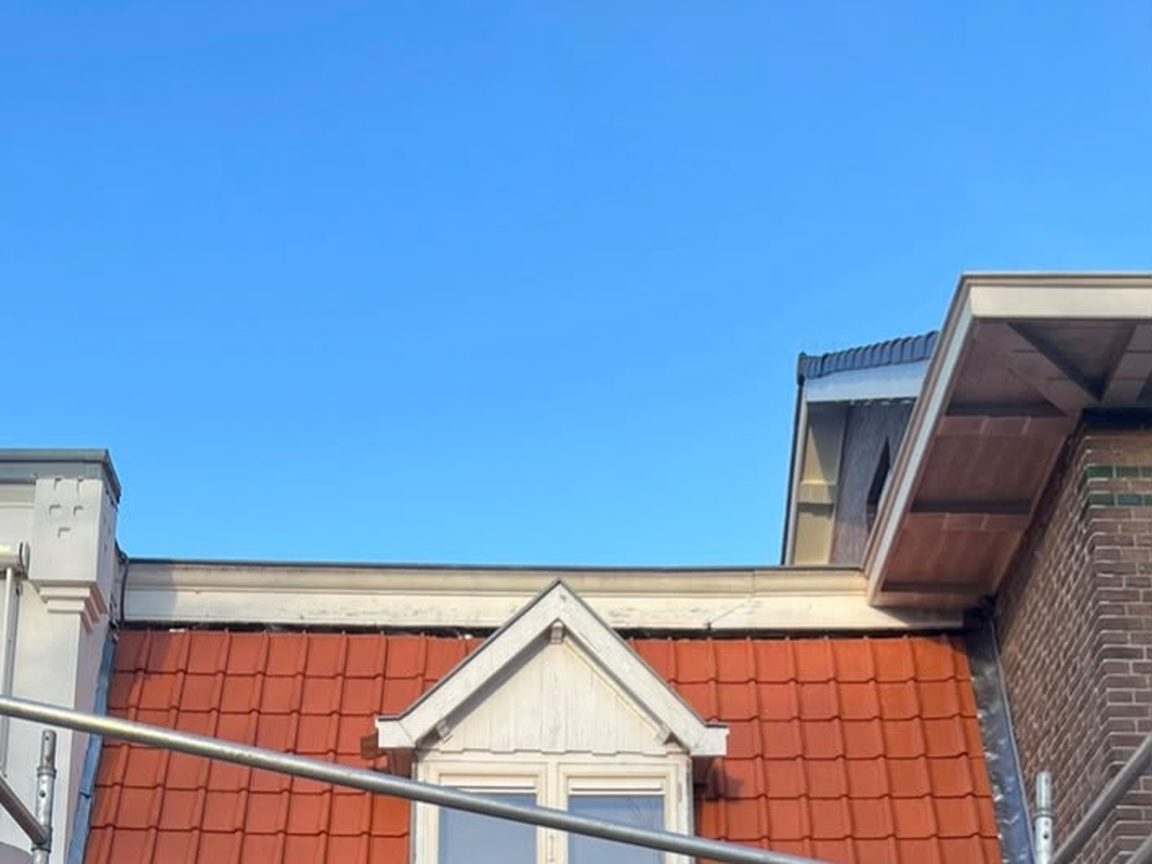
Close-up of ridge tiles on a clay tiled roof in Heemstede, with scaffolding along the roof surface

1900 to 1940

Kleverpark, Bosch en Vaart, Heemstede, Overveen, Bloemendaal and Aerdenhout

What works
Everything: tiles, slate, zinc and a full insulation package from outside, because the roof is coming off anyway and the structure carries it.
What does not
Relaying the tiles alone without replacing the battens and the membrane. It is possible, and then the same scaffold returns in eight years.
What it gains you
The largest step of the three periods: from an uninsulated roof to Rc 6.0, with new battens, new membrane and junctions good for another fifty years.
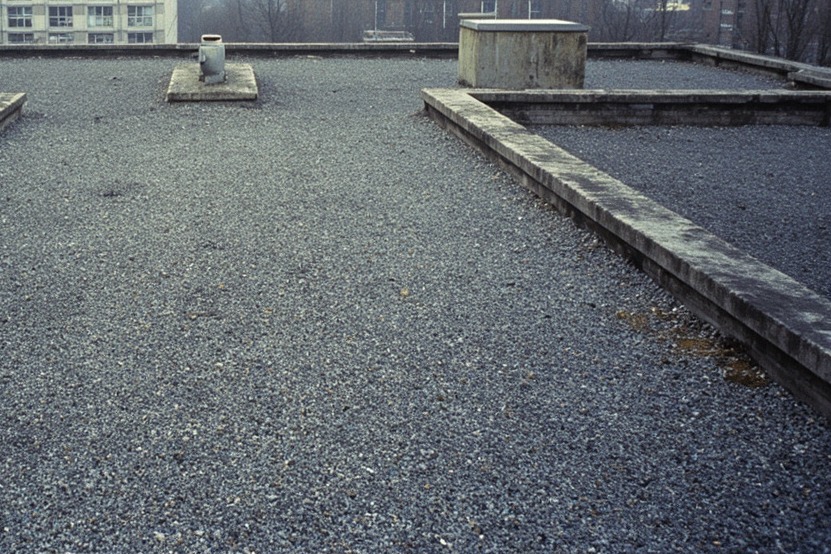
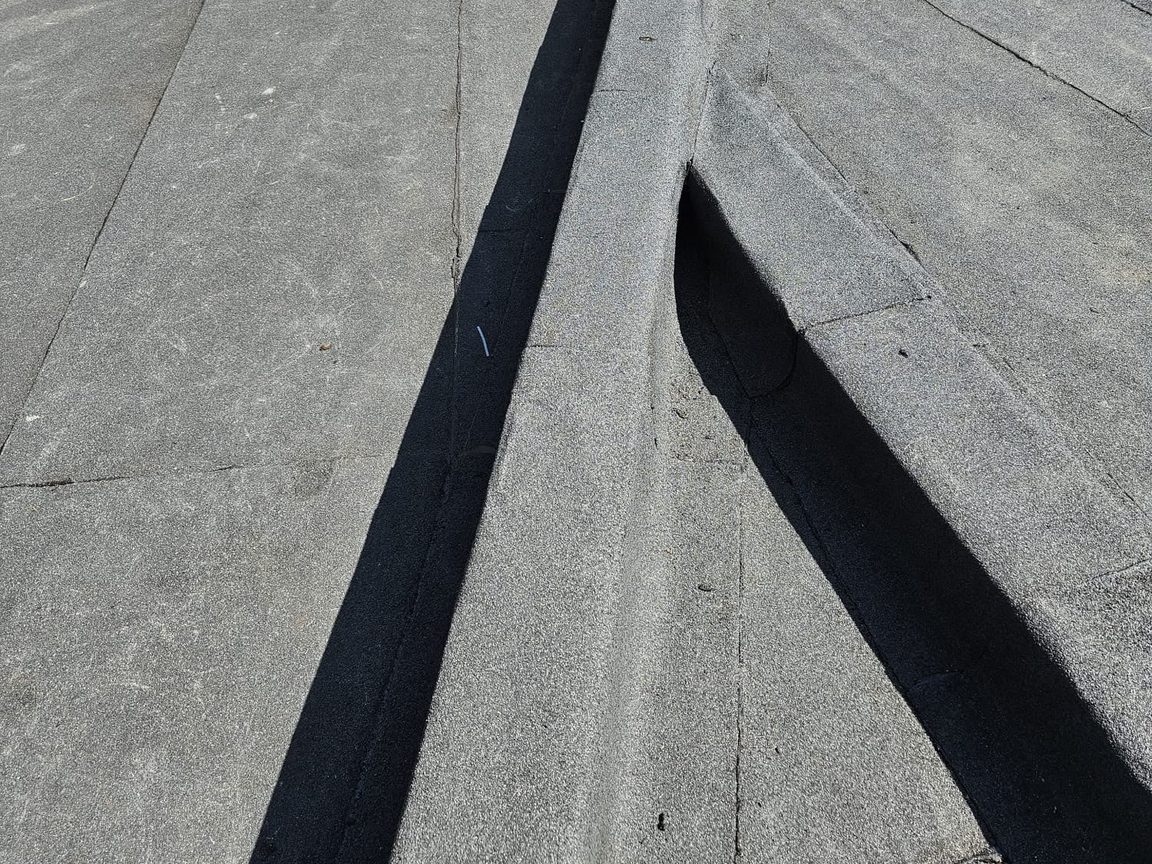
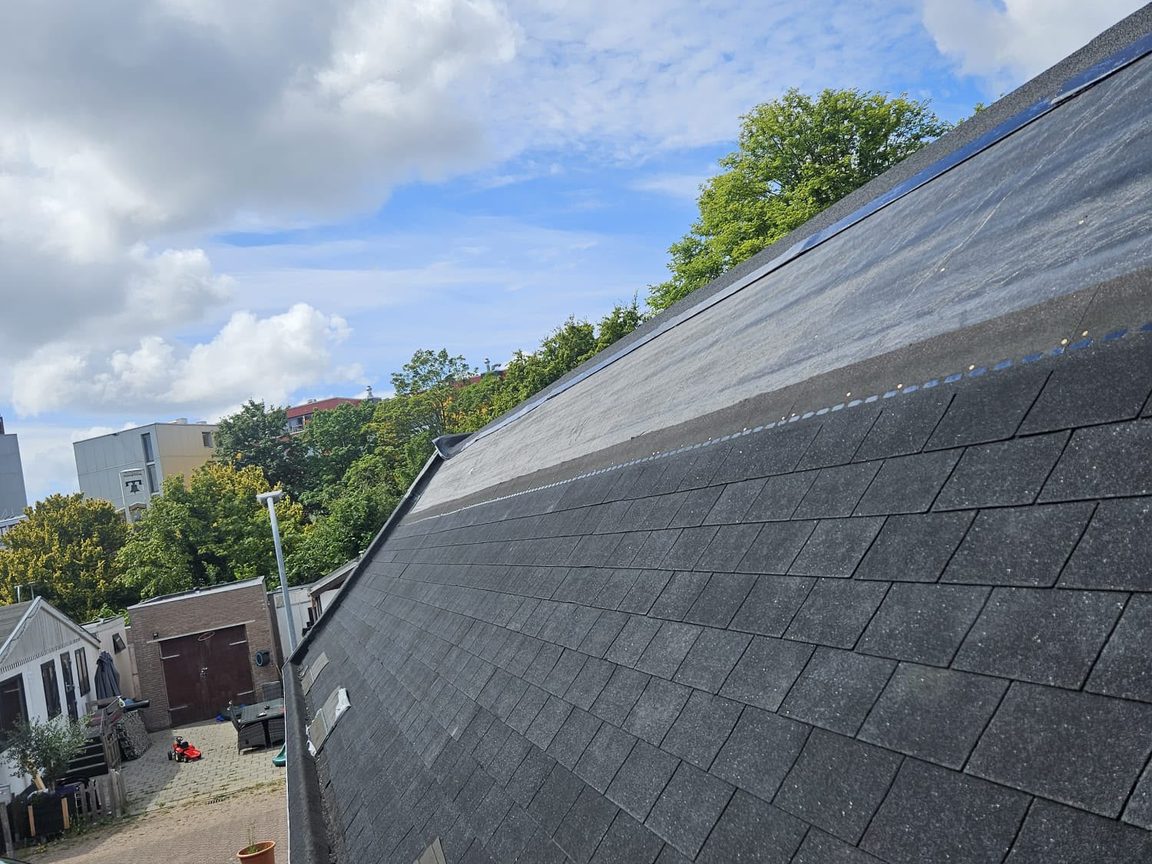
Post-war flat roof with bitumen roofing and a low upstand

After 1950

Schalkwijk, the Europawijk, Velserbroek and the coastal flats of Zandvoort

What works
A warm roof in one operation: insulation boards on the existing deck with EPDM or bitumen over the top, and on a pitched roof the switch from concrete tile back to clay.
What does not
Deciding without the owners association, as soon as the roof is communal. Including when the stain is on your own ceiling.
What it gains you
The lowest price per square metre of the three periods and the highest return per euro of insulation, because there is currently almost none.

Want to know what is actually on your roof?

The survey costs nothing, takes about an hour, and produces a report with a photo per roof plane, the condition of the deck and the insulation calculation. That report stays yours.

The numbers, and where they come from

The numbers this site rests on, and where they come from

A number without a source is a sales claim. So every figure on this site carries its origin, including the ones that do not flatter us.

FigureWhat it refers to
Rc 0.4 to 6.0Thermal resistance of an uninsulated roof against a renewed oneThe existing value is established on your roof during the survey; the new one is calculated with 160 mm of PIR.
Rc 3.5The floor below which roof insulation falls outside the national grantCondition for roof insulation under the ISDE scheme, Netherlands Enterprise Agency (RVO).
20 to 100 yearsService life, from bitumen to natural slateManufacturer figures, narrowed to the band that Dutch insurers use in their depreciation tables.
65 to 260 euroPrice per square metre of roof surface, including labour, disposal and VATOur own calculation for this area, August 2026. Not a national average: access here differs street by street.
10 yearsWhat we guarantee ourselves on the laying, next to whatever paper the factory puts on the materialThe guarantee clause in our terms and conditions, which also states what it does and does not cover.
3 to 5 working daysTime until the survey on the roofOur own planning, with a cap on surveys per day. The deadline per town is on each town page.

Before and after, in section

What changes sits underneath the covering

From outside you see new tiles or a new membrane. The difference you feel and pay for is below that. Drag the slider to set the existing build-up against the renewed one.

Flat roof

Now: Timber deck, two layers of bitumen, no insulation.

After: Same deck, vapour control layer, 160 mm PIR, new covering.

Rc 0.4 to 6.0

This is a drawing, not a photograph of a completed job.

Tiled roof

Now: Tiles on battens, boarding, no membrane and no insulation.

After: New battens and counter battens, breathable membrane, insulation between the rafters.

Rc 0.4 to 6.0

This is a drawing, not a photograph of a completed job.

Indicative price per roof type

What a roof renovation costs here, roughly

Amounts per square metre of roof surface, including labour, disposal and Dutch VAT. What is not included follows underneath, because those items are what make three quotes impossible to compare.

What a roof renovation costs, per roof type

Indicative price per roof type, per square metre of roof surface.
Roof typePer m2
Flat roof, two layers of bitumen€ 65 to € 95
Flat roof, EPDM€ 80 to € 120
Flat roof as a warm roof, with 160 mm PIR€ 150 to € 200
Tiled roof, clay, with new battens and membrane€ 95 to € 150
Tiled roof with insulation between the rafters€ 170 to € 240
Zinc roof plane or large valley gutter€ 160 to € 230
Natural slate roof€ 180 to € 260

On a narrow screen the notes column sits below the table: for every roof type the spread comes from access, the number of junctions and the condition of the deck underneath.

What is not included

Scaffolding, insulation, repair of a damaged deck, roof windows, and removing and refitting solar panels. All five appear as separate lines on the quote with a quantity and a unit rate, so that you can check them and strike them.

Why there is no fixed price here

Because we have not seen your roof. What makes a roof expensive is rarely the material and nearly always the access and the number of junctions. That is why the survey is free and the report is yours: then you can check what any quote is worth, including somebody else’s.

A quote from somebody else

Got a quote from somebody else? Hold it against this

Five roof coverings compared on six criteria, with the best option marked per criterion.
What you are comparingBitumenTwo layers, torched or self-adhesive, on a flat roof.EPDMA rubber membrane, in one piece where the shape allows it.Clay pantileFired clay on timber battens, on a pitched roof.ZincStanding seam or batten roll, on flat and shallow pitched work.Natural slateHooked natural stone on a steeply pitched roof.
Service lifeWith normal maintenance, counted from completion.Where this comes from: Manufacturer figures, narrowed to the band that Dutch insurers use in their depreciation tables.20 to 30yearsTwo layers of APP or SBS. A single layer does not reach the bottom of this band.40 to 50yearsA sheet without seams ages evenly. The junctions decide the outcome.50 to 75yearsThe tile outlives the battens and the membrane beneath it, and those decide when the roof has to come off.50 to 70yearsInland the top of this band, near the sea the bottom of it.best on this point. On this criterion, Natural slate comes out ahead80 to 100yearsThe hooks rust away before the stone does, and those can be replaced without stripping the roof.
Price per square metreIncluding labour, removal and VAT. Excluding insulation and scaffolding.Where this comes from: Our own calculation for this area, August 2026. A quote that does not name these three items cannot be compared with another one.best on this point. On this criterion, Bitumen comes out ahead€ 65 to € 95per m2The cheapest way to get a flat roof watertight again, and that is not meant as a criticism here.€ 80 to € 120per m2Roughly a third more than bitumen, for close to twice the service life.€ 95 to € 150per m2Including new battens and a breathable membrane. Relaying the old tiles alone is cheaper and rarely wise.€ 160 to € 230per m2The cost sits in the handwork, not in the metal. A standing seam roof plane is days of work.€ 180 to € 260per m2Spanish or French slate, hooked. Below this price it is almost always a fibre cement slate rather than natural stone.
Maintenance per ten yearsWhat has to happen for the service life above to be reached at all.Where this comes from: Manufacturer maintenance schedules, converted to a ten year period.Check seams and upstands every five yearsThe top layer sheds its mineral granules, on the south side sooner than on the north.best on this point. On this criterion, EPDM comes out aheadLook at it, nothing moreNo coating and no treatment. Only the penetrations and the leaf guard on the outlet.Clear moss, replace cracked tilesUnder the beeches of Bloemendaal and Aerdenhout that is every three or four years, not every ten.Clear gutters, check soldered seamsLeaves left lying in a zinc box gutter hold water, and that is what attacks zinc from above.Rehang the odd loose slateOne slate a year is normal and says nothing about the state of the rest.
Junctions at dormers, chimneys and valleysA roof rarely starts leaking in the middle of a plane. It starts at a junction.Where this comes from: Damage patterns from roof surveys in this area. No percentage, because that would suggest a count we have not made.Works, if the upstand is tall enoughAt least fifteen centimetres above the roof surface. Below that, driving rain runs in behind it.Every corner is handworkPrefabricated corner pieces exist, but the result depends on the person fitting them, not on the brand.Always needs a second materialAround a chimney it takes lead or zinc. A tile cannot make that junction by itself.best on this point. On this criterion, Zinc comes out aheadThis is what it is made forA valley gutter (kilgoot), a dormer cheek and a chimney apron can be formed and soldered from one piece.Works, combined with zincSlates run neatly into a valley, but the valley itself stays zinc or lead.
Conservation rules in the protected townscapeApplies to any roof surface visible from a public road, in the Haarlem old centre and in Spaarndam.Where this comes from: The municipal quality policy (nota ruimtelijke kwaliteit) and the designation as a protected townscape (beschermd stadsgezicht). What applies to your building depends on the address, and we check that for you during the survey.Only out of sightOn an extension or a flat rear roof almost always fine, on a roof plane facing the street almost never.Only out of sightThe same reasoning as bitumen. It is about visibility, not about the material.best on this point. On this criterion, Clay pantile comes out aheadUsually fine, if colour and profile matchAn old Dutch or trough pantile in fired red. An anthracite concrete tile in full view is almost always refused.On secondary parts, case by caseA zinc dormer or gutter usually passes. A whole zinc roof plane in the old centre does not.best on this point. On this criterion, Natural slate comes out aheadFine on a building that already had itBringing slate back is a far easier case than introducing it where it never was.
Insulation in the same operationWhether the insulation can ride along with the replacement, or becomes a second project with a second scaffold.Where this comes from: The renovation level for roofs in the Dutch building decree (Besluit bouwwerken leefomgeving), and the Rc 3.5 m2K/W floor that the national enterprise agency sets for roof insulation under the ISDE grant.best on this point. On this criterion, Bitumen comes out aheadYes, as a warm roof in one goInsulation boards on the existing deck, covering over the top. With 160 mm of PIR, Rc 6.0 is within reach.best on this point. On this criterion, EPDM comes out aheadYes, as a warm roof in one goThe same build-up. The membrane goes over the boards and never under them, or the moisture is trapped.Yes, but the roof has to come offInsulating from outside means tiles, battens and membrane off. That is precisely why the two belong together.Yes, and it is not optionalZinc has to breathe underneath or be fully separated. The wrong build-up costs the whole roof plane.Yes, but the roof has to come offAs with tiles. With scaffolding already standing, this is the cheapest moment there will be.
Where you are better off not laying thisThis row carries the same weight as the six above it. A supplier who leaves it empty is selling, not advising.On a roof you would rather not think about again for thirty years, and on a roof terrace that gets walked on: the top layer wears there first.On a roof full of pipe penetrations, corners and roof windows. Every junction becomes handwork and the advantage of a seamless sheet disappears into the details.On a pitch below twenty degrees, and without storm clips on a roof standing full in the sea wind, as on the western side of Zandvoort.Straight onto bare concrete or oak, and at the coast without protection on the underside. Zinc fails from below in those cases, and you only find out when it leaks.On a roof structure that cannot carry the weight without strengthening, and on any roof where budget decides. Slate is the most expensive line in every quote it appears in.

Across the six criteria, natural slate wins two, bitumen two, EPDM two, zinc one and the clay pantile one. That balance was not arranged; it is what falls out once you weigh the criteria you name yourself. If one material wins all six rows on a website, you are reading a price list rather than a comparison.

All amounts are per square metre of roof surface and include labour, removal of the old covering and Dutch VAT (btw), but not insulation and not scaffolding. Those three items are exactly what makes three quotes impossible to line up. What makes a roof expensive here is rarely the material: it is access. Scaffolding on a canal in the old centre is a different job from scaffolding in a back garden.

The full table with all the notes

Choice guide

Three questions, and you know which way this goes

This is the table above, turned into a conversation. It does not tell you what to buy; it tells you which material usually wins in your situation and which one is the runner-up.

What kind of roof do you have?
Where does the house stand?
What weighs heaviest?

What wins in your case

Pick three answers above. If this does not respond, the same answer is in the table: find the row you weigh most heavily and read which material is marked there.

What we do

Four kinds of work, and they rarely arrive alone

A roof being replaced almost always brings zinc work and insulation with it. They are listed separately because you can order them separately, and together because the scaffold only goes up once.

Send it along and we will set it out beside ours

Send it along. We set out line by line what it does and does not cover, and that is often more useful than adding a third quote to the pile.

The local rules

Permits, conservation rules and the owners association

This is the part a national contractor skips, and the part that can cost a project weeks. What applies in your case we look up during the survey and put in writing.

The six municipalities in this service area and which places fall under each.
MunicipalityWhich placesWhat you go there for
HaarlemHaarlem and Spaarndam-WestPlanning permission and conservation assessment. The old centre is a protected townscape, so there the assessment covers tile colour and profile as well.
HeemstedeHeemstedeIts own conservation policy and its own desk. A dormer on the street side is judged under different rules than one at the back.
BloemendaalBloemendaal, Overveen and AerdenhoutA shared assessment framework for the villa parks. With a thatched roof a fire safety assessment is added, and that differs per plot.
VelsenSantpoort-Noord and Santpoort-ZuidEverything for both Santpoort centres, even though Haarlem is closer. An application filed at Haarlem costs weeks here.
HaarlemmermeerSpaarndam-OostThe eastern half of Spaarndam. The boundary runs through the village, so which side of the lock you are on decides your desk.
ZandvoortZandvoort and BentveldAdditional wind loading requirements along the coast, and in apartment blocks the decision runs through the owners association.

Questions

Questions that keep coming back

Missing your question here? Pick up the phone. About your own roof something concrete can be said; about roofs in general the page above has it covered.

Can I do all of this in English?

Yes. Start the call in English and it carries on in English; the survey report and the quote are written that way too. What stays Dutch are the official terms, and those are explained here with the Dutch word in brackets so that you can repeat them to a council desk, an insurer or a neighbour.

What does the survey cost?

Nothing. It takes about an hour, happens within 5 working days, and produces a report with a photo per roof plane, the condition of the deck and the insulation calculation. That report stays yours even if you go on with somebody else. That is not a gesture: knowing your own roof is what lets you read the other quotes, which is what this whole site is for.

I own an apartment. Who decides about the roof?

Almost certainly the owners association (vereniging van eigenaren, usually shortened to VvE), because the roof is communal property in nearly every Dutch apartment building. That holds even when the leak shows on your ceiling and you own the top flat. The meeting decides and the association pays from its reserve fund. What helps there is a survey split by item that records the state of the deck, and we deliver it in that form.

Why are three quotes for my roof so far apart?

Almost never because of profit margin, and nearly always because of four things: access, the number of junctions, whether repairing the deck is priced, and whether insulation is included. Two quotes where one names those four items and the other does not are not two prices for the same work. Send them along with your request and we will set out line by line what each does and does not cover.

Do I need a permit?

For replacing an existing covering without changing the appearance, usually not. You do for a listed building (rijksmonument), inside the protected townscape of Haarlem or the protected village view of Spaarndam, and for a roof plane visible from a public road. Which of those cases applies to you is a question an address answers. We look it up during the survey, and the outcome sits in the report you keep, whoever ends up doing the work.

How does VAT work on this?

Dutch VAT (btw) applies at the standard rate on both materials and labour for roof work on a house, and all amounts on this site already include it. There is no reduced rate for roofing the way there is for painting an older house, so a quote that looks cheaper because it excludes VAT is not cheaper. Check whether a quote says "inclusief btw" or "exclusief btw" before comparing it with another.

How long does the work take?

A flat roof of forty to sixty square metres comes off and goes back on the same day. A tiled roof is three to eight working days, longer for a villa with valleys and several dormers. Scaffolding normally goes up a day before and comes down a day after. Counting from the survey, it takes another 3 working days before the quote reaches you.

What guarantee comes with it?

What we lay carries 10 years of our own guarantee; the material carries whatever the factory puts on it, and those are two different papers. What it does and does not cover is in the terms rather than in a sentence on a home page: storm damage above force ten, damage by others who have been on the roof after us, and failure of something already flagged in the survey report are not covered.

Quote

Request the survey

You hear within one working day when we can come. The survey itself costs nothing and the report stays yours, including when you go on with somebody else.

Rather speak to somebody now

For a question about a quote you already have, or about what is allowed at your address, calling is faster than this form.

Start with a photo

A photo of the eaves, the gutter or the place where it leaks says more than half a form. Send it ahead and we know what we are looking at.

Send a photo